

Tom Giovanetti is president of the Institute for Policy Innovation (IPI), a 38-year-old conservative, free-market public policy “think tank” based in Dallas, Texas.
In addition to his administrative and fundraising duties, Tom writes for IPI and for leading publications on a variety of policy topics including tax policy, economic growth, self-government, civil liberties and constitutional protections, judicial supremacy, intellectual property, Social Security personal accounts, technology and Internet policy, and government spending. In addition to being regularly published in major outlets including the Wall Street Journal, Washington Times, FoxNews.com and The Dallas Morning News, Tom writes often for the Fort Worth Star-Telegram. Tom frequently appears in the media and is a regular guest and occasional substitute host of the Mark Davis Show in the Dallas-Fort Worth market.
Tom loves thinking out-of-the-box to design novel solutions to policy problems and explaining complicated policy issues in ways average folks can understand.
Tom's mission at IPI is to use issues to teach conservative, free market thinking and to push back against unprincipled populism. He seeks to encourage continued skepticism of Big Government, to maintain faith in markets, and to defend individual liberty as the best means of achieving human flourishing. His most recent work has focused on free market solutions to student loan debt, preserving online freedom, and persuading state legislatures to override local and municipal rules that restrict economic liberty.
Mr. Giovanetti has represented IPI at many national and international organizations, including the World Intellectual Property Organization (WIPO), the Internet Governance Forum (IGF), and represented IPI during negotiations on the Trans-Pacific Partnership (TPP) trade agreement. Mr. Giovanetti is a popular speaker and writer and testifies before state and federal legislative committees on a variety of topics.
Follow Tom on Twitter (X) at @tgiovanetti
Time to Stop the Wireless Tax Grab
The Wireless Tax Fairness Act, newly reintroduced this week, would put a five-year moratorium on any new state and local discriminatory wireless taxes.
Comments to the ITC in the Matter of Electronic Digital Media Devices
Urging the ITC to forbear from issuing further exclusion orders in this matter, in order to discourage the forum shopping that brought these cases to the ITC.
On Data Privacy, We've Been Here Before
If our elected officials, who are supposed to be guardians of our freedom first of all, grant expanded police powers to the federal government in violation of their oath to preserve and protect the Fourth Amendment, the Feds will use them.
Learning to Love the Sequester
A new report suggests maybe all the uproar on Capitol Hill about the sequester was nothing but hype. IPI's Tom Giovanetti says any move Washington makes to actually slow down its wild spending is a good move.
Heavy-Handed Regulatory Solutions In Search of a Broadband Problem
With the U.S.’s obvious and compelling broadband success story, why do regulation advocates compulsively call for much heavier government regulation and control over the broadband industry?
In Corporate Taxation, You Reap What You Sow
Instead of engaging in easy demagoguery, Congress should modernize our tax code to reflect the reality of global competition, capital mobility, and the fact that U.S. companies today do the majority of their business overseas.
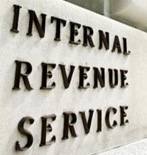
Trust the IRS With Your Personal Information?
With a large, powerful, intrusive government, your freedom is only as secure as the virtue of whatever mid-level functionary whose path you are so unfortunate as to cross.
Private Sector Experience Is a Plus, Not a Minus
Private sector experience should be considered a plus, indeed requisite, rather than treated as a contamination when it comes to appointed government offices.
Pushing Back Against Big Government
IPI President Tom Giovanetti's Address at the 25th Anniversary Celebration: A New Frontier for Liberty.
Don't Let the IRS Prepare Your Taxes
Giving the IRS the power to prepare our taxes for us is not a solution—it will open the door to abuse, overpayment of taxes and would further erode financial privacy.
Total Records: 771

