The Bill of Rights Is Not the Key to Our Liberty
Caesarism is possible when the legislative branch, whether in ancient Rome or modern America, abandons its duty to provide a check on the executive. Left unchecked, a popular elected executive can marginalize all other branches of government, with the support of the people.

Our Take: The Gorsuch Warning (on Slaughter)
Congress spent decades transferring legislative and judicial powers to supposedly independent agencies. That was a violation of the nondelegation doctrine, but that’s another topic. Now, after the administrative state has accrued enormous powers, the court has given the president total control.
The constitutional answer is not to deny that the president controls the executive branch. The answer must be for Congress to reclaim the powers it should never have delegated.
Why the Blanching over Todd Blanche?
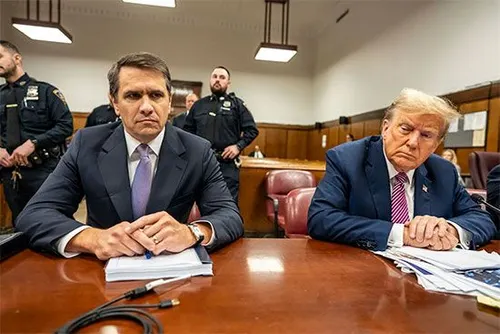
How can it possibly be ethical for a president to sue an agency he completely controls, and negotiate a settlement with an attorney general he appointed? That’s not a negotiation between adversarial parties—that’s a sweetheart deal—especially since Trump was not going to win any of those lawsuits or claims on their merits.
Election Security Is None of the President's Business
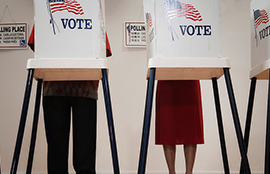
The Constitution gives states control over their own elections. Executive branch interference in state elections is a violation of separation of powers. If Washington attempts to influence or take control of state elections, the states should resist, for the sake of the Republic.
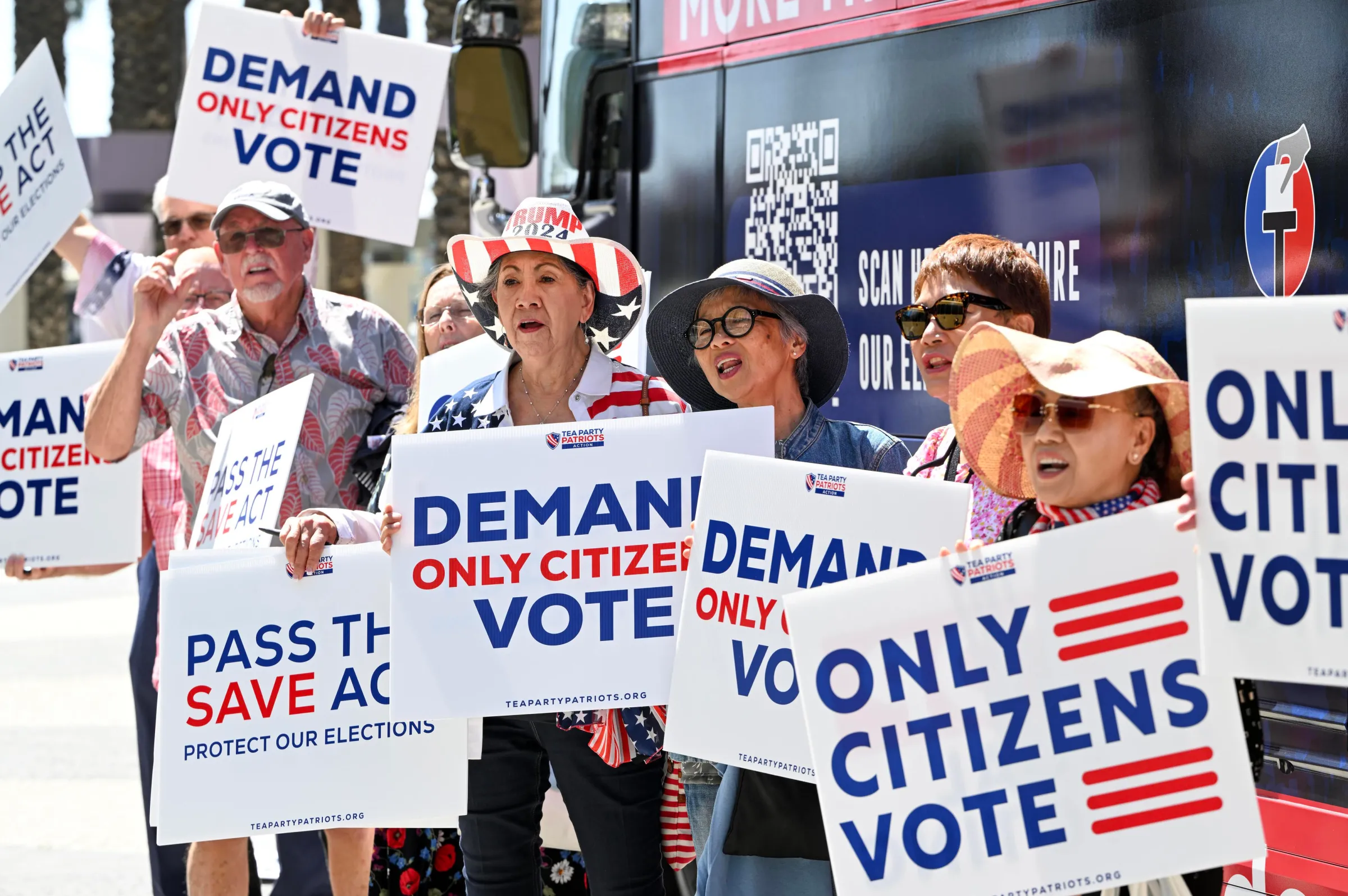
What's In the SAVE America Act?
Now that you know what is really in the SAVE America Act, does it strike you as more important than anything else Congress could possibly be doing? It is worth ending the filibuster over?
Or is it possible that this is mostly an unnecessary intrusion on federalism designed to satisfy a president’s private obsession?
Our Take: The Court Gets Birthright Citizenship Decision Half-Right
It was always unlikely that the Court was going to issue a sweeping decision overturning the prevailing interpretation of the 14th Amendment, because of the two axes we described earlier.
It’s important to remember that the Supreme Court is never the final say on any matter of controversy. The political process always has the final say. The political process can make, change or eliminate laws; amend the Constitution; elect the people who nominate and confirm Supreme Court justices; and in extreme circumstances, even impeach justices. Only the Court itself has asserted that it has the final say on constitutional issues.

America's Copper Crisis: Treat Network Vandals Like the Criminals They Are
Between June 2024 and June 2025, there were 15,540 reported theft and vandalism incidents targeting America's communications networks, disrupting service for more than 9.5 million customers. Nearly 9,800 occurred in the first half of 2025 alone, double the previous six months. This is an accelerating crime wave.
Previewing the Birthright Citizenship Argument (and IPI's Renewing America 250 Project)
The Court probably won't choose to settle the question of birthright citizenship, though it could. This would leave the debate open, in theory to be settled by Congress or in a a future Supreme Court decision.
Both Yes and No on Intermediary Liability
The Supreme Court is not a fan of intermediary liability, and that’s a good thing. Which means if Meta and Google appeal all the way to the Supreme Court, there is a reasonable chance that they will succeed.

Science, Tylenol and Autism
By upholding the gatekeeping responsibility of judges under Rule 702, the Second Circuit can reaffirm that scientific claims must meet established thresholds before being presented as reliable proof in court.
Total Records: 105
