

“It is the maxim of every prudent master of a family, never to attempt to make at home what it will cost him more to make than to buy . . . . If a foreign country can supply us with a commodity cheaper than we ourselves can make it, better buy it of them with some part of the produce of our own industry, employed in a way in which we have some advantage.”
-Adam Smith, An Inquiry into the Nature and Causes of the Wealth of Nations, 1776
IPI believes the United States should aggressively pursue trade liberalization, which includes a willingness to lower our own trade barriers even when other countries do not respond reciprocally. Ideally, those efforts include multilateral agreements, such as the Trans-Pacific Partnership, but bilateral agreements can also promote freer trade.
American consumers bear the brunt of the protectionist impulse through higher prices on consumer goods, and American workers are best served when liberalized trade policies facilitate the export of American products throughout the world. At a time when protectionist sentiments are growing, it is important to assert that the U.S. and its workers have nothing to fear from trade, and everything to gain.

Europe's Rules Could Cost America the AI Race
Leadership in AI will not be achieved by importing Europe’s regulatory model. It will be secured by unleashing American ingenuity, backed by reliable energy, clear rules, and a regulatory system accountable to the American people—not foreign bureaucracies.
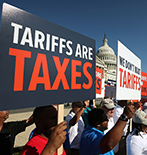
IPI Welcomes SCOTUS Tariff Rebuke, but . . .
Dallas--The Institute for Policy Innovation (IPI) is pleased that the Supreme Court has correctly decided that President Trump improperly used the 1977 International Emergency Economic Powers Act to impose harmful, capricious, sometimes malicious and often incoherent tariffs on goods purchased by American businesses and consumers. And we await the comedy of a response from the Trump administration.

Retaliation, on the Rocks
The EU could reinstate its 25% retaliatory tariff on bourbon today, or at any point in the future. And when the EU tariffs American bourbon, we don’t pay more for bourbon—they do. But we sell less of it to them. In other words, we’re both harmed.
Get Your Popcorn Ready
Wednesday, November 5, the Supreme Court will hear one of the most important cases involving limited government in our lifetimes. Learning Resources, Inc. v. Trump is about whether a president has authority under the Constitution or statute to impose tariffs in the way the Trump administration has.
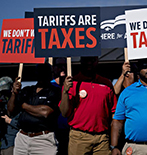
The Coming Fiscal Hit No One Is Talking About
If/when the Trump tariffs are found to be unconstitutional, those who have paid unconstitutional tariffs will be entitled to refunds.

Don't Import Foreign Price Controls on U.S. Pharmaceuticals
Implementing MFN for Medicaid drug reimbursement would be a long-term structural disaster in exchange for perceived short-term benefits. There are better ways to address our entitlements crisis, and Congress should pursue them.
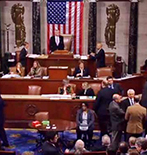
EconLog Quotes IPI TradeByte on Congress & Tariffs
Scott Sumner kindly references IPI's recent TradeByte on Congress' impotent response to Trump's tariffs.

Broken Treaties, Broken Government
When did it become okay for a president to break treaties lawfully passed by Congress?
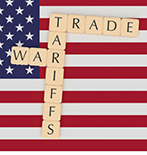
Coalition Letter: Tariffs Will Harm the Economy and Undermine the Trump Economic Agenda
IPI joined a number of free-market groups to urge Congress to argue that tariffs will be harmful to the U.S. economy.

Giving No Truck to Trucking
Policymakers need to begin considering new ways of funding transportation infrastructure that properly allocate the costs of maintenance and repair. We are intrigued by the idea of a commercial vehicle miles travelled tax (VMT-C) that would tax commercial vehicles by the miles driven, but which would omit passenger vehicles.
Total Records: 177
