The “big lie” is a propaganda technique involving a deliberate, gross distortion of the truth that is so outrageous it sounds credible to some because they think no one would have the brash dishonesty necessary to fabricate such a colossal lie.
The preeminent practitioner of the Big Lie technique in today’s politics is Donald Trump, who will casually assert complete falsehoods, like the election was stolen, the Jan. 6 mob were heroes, Iran is begging for a deal, he had no idea the Kennedy Center wanted to add his name, etc.
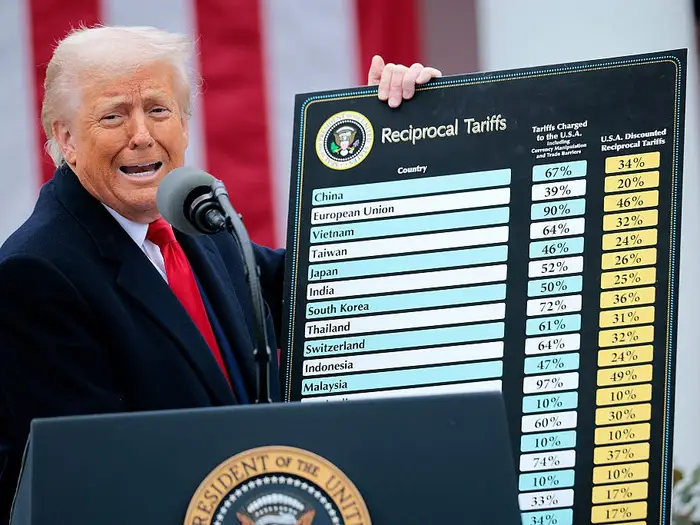
The affordability crisis began with one of the biggest lies of them all: American consumers won’t pay the tariffs.
The basics are straightforward: tariffs are paid at the point of entry by the importer. So, when a container full of imported goods is sitting at the port waiting to be picked up by an importer — say, WalMart — the importer must pay all the tariffs before the container is released to them.
And if WalMart pays the tariffs on those goods, WalMart’s customers are going to pay the tariffs through increased prices of those goods.
But President Trump insisted, scores of times, that Americans would not pay the tariffs. And that was a lie. Vice President JD Vance repeated the lie, as did Treasury Secretary Scott Bessent, Commerce Secretary Howard Lutnick, U.S. Trade Representative Jamieson Greer, and Secretary of Agriculture Brooke Rollins, among many others. And if they didn’t know it was a lie, they aren’t intelligent enough to serve in the Cabinet.
Tariffs have other problems too. They create opportunities for cronyism and corruption, as some are able to obtain tariff exemptions based on their support for the president or other connections.
And, because tariffs are taxes collected by the federal government, those higher prices aren’t even going to producers — they’re going to the federal government. Your affordability crisis is actually a revenue windfall pouring into the government’s coffers.
Tariffs are also arbitrary. They aren’t “natural” in the sense that they result from unforeseen circumstances or temporary imbalances in supply and demand. The stated purpose of tariffs is to make goods more expensive.
Here at IPI, our principles have remained clear:
- Consumer welfare should always come before producer welfare.
- Consumer welfare includes the lowest possible prices on goods and services driven by competition and limited government involvement.
- International competition, like domestic competition, drives down prices and incentivizes innovation.
- Tariffs are designed to work against all of the above.
- What’s good for the government isn’t necessarily good for the American people.
Tariffs were always a bad idea; they were never going to work, and they will never work, regardless of how often and how loudly the Big Lie of tariffs is asserted.