

For all of the quality care it delivers, the U.S. health care system is one of the most dysfunctional sectors of the U.S. economy. The government spends nearly 50 cents of every dollar spent on health care, most consumers are almost entirely insulated from the cost of their decisions, and employers decide what kind of health insurance their employees get.
But while the U.S. health care system begs for reform, the Patient Protection and Affordable Care Act only exacerbates all of the current problems, promising to devolve into a price-controlled system rationed and micromanaged by bureaucrats.
IPI believes there are much better options: reform the tax treatment of health insurance; remove the state and federal mandates and regulations that make coverage more expensive; pass medical liability reform; and promote policies that create value-conscious shoppers in the health care marketplace.
Federal Report: Obamacare Charges Luxury Premiums For Economy Health Plans
The federal Centers for Medicare and Medicaid Services (CMS) has released an excellent, detailed summary of the Affordable Care Act’s 2018 health insurance exchange enrollment. It’s not a pretty picture.
New CMS Report on Obamacare: ACA Failing, in a Death Spiral
A new report from the Centers for Medicare and Medicaid Services (CMS) paints a bleak picture of Obamacare’s 2018 health insurance exchange enrollment.

One Good Reason to Ask a Citizenship Question on the 2020 Census
There are some good reasons for asking a citizenship question on the U.S. census that might inform various policy debates, such as identifying the number of uninsured.
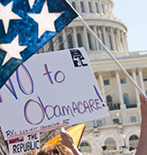
States' Latest Obamacare Lawsuit Keeps Pressure on Washington
"Twenty states have sued the Trump administration asserting that the tax reform law, which eliminates the Affordable Care Act's mandate to have health insurance, makes Obamacare unconstitutional," said Merrill Matthews. "It's a brilliant argument.
How Republicans Can Ensure Great Health Care Coverage
Republicans took a huge step by ending ObamaCare’s onerous mandate. But the freedom from having to buy expensive, government-approved coverage doesn’t mean consumers have the freedom to buy what they want and need.

Trump May Have a Prescription for High Drug Prices
President Trump wants to address the high price of some prescription drugs, and new bilateral trade agreements would be a good place to start.
Those Drug Prices ... Oh, My Goodness!
It's an issue of bipartisan concern, but what can be done to fix prescription drug prices?

One BIG Reason Why Prescription Drugs Cost So Much
Pfizer has ended its quest to find a cure for Alzheimer’s and Parkinson’s disease, but the research costs live on and must be absorbed in the price of other products.
Association Health Plan Proposal: Experts Wary of Weak Consumer Protections, Oversight Issues
Merrill Matthews, Ph.D., IPI resident scholar, praised the new proposed rule, noting that it allows small businesses to do what large employers have long been able to: self-insure. “Self-insured employers have been able to avoid many of the state and federal mandates imposed on the small group and individual markets, which helped employers keep down the cost of coverage,” he said.
Matthews: Labor Department Rulemaking a Welcome Setback to Obamacare
The Department of Labor’s proposed rulemaking released today would help clear the way for employers to band together in associations and self-insure, and is a good first step in the ongoing but challenging effort to provide employers and employees more flexibility under Obamacare.
Total Records: 711

