

A growing economy creates jobs, raises living standards, maintains global competitiveness, and thus engenders positive attitudes and optimism about the future.
While many policymakers seem intent on focusing on either economic stimulus or austerity, IPI believes that the economy can grow consistently and at higher rates than we’ve experienced in the last decade, and we reject the idea that economic growth contains within itself the seeds of its own demise through inflation, the business cycle, and erroneous Phillips Curve assumptions. Therefore, economic growth should be elected officials’ primary policy goal at the federal, state and local levels, and it’s the organizing principle of our policy work at IPI.
Whatever limitations may exist on economic growth, they should not be self-imposed through counterproductive tax policy, overbearing regulations, ill-conceived monetary policy, trade protectionism, or hostility toward skilled and ambitious immigration.
The Social and Political Cost of Slow Economic Growth
The American people are blaming other countries and other people for a slow-growth wound that is self-inflicted.

The Obama Administration Has A Boneheaded Plan To Put Convicts Back To Work
The White House thinks employers who won’t hire ex-convicts for $15,000 a year will jump at the chance to pay them $25,000 a year, plus another $4,000 or so for their Obamacare coverage.
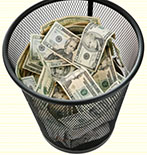
Celebrate Earth Day By Protecting The Planet - And Taxpayers
As America celebrates Earth Day, it might be a good time to recall just how much Obama’s desire for a green legacy is costing taxpayers.
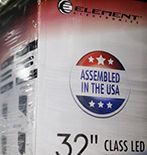
Have Minimum Wage Increases Killed "Reshoring"?
Many lower income jobs were returning to the U.S., but that trend appears to have stopped, and workers can thank liberals for it.
.jpg)
Tax Avoidance Is Patriotic
Tax avoidance is not a global problem. It’s a tool for fighting big-spending liberals.
Further Abandoning the Rule-of-Law
Yet again, the Obama administration has operated outside of the rule-of-law, which makes the US a less certain place for investment.
San Jose Paper's Howler: Jerry Brown Is Notoriously Frugal
Jerry Brown is frugal — "notoriously" so — in making productive resources of people who want to work available to California's employers. No wonder Dr. Merrill Matthews at the Institute for Policy Innovation is so pleased for his home state of Texas today.
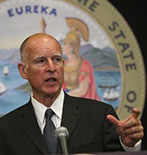
The California Governor's Plan to Create More Jobs in Texas
The governor doing more than anyone to create Texas jobs is Jerry Brown.
A Picture of the Obama Economy
If a picture is worth a thousand words, so is a graph. We have compiled several graphs that convey a picture of the Obama economy, and it isn't pretty.
Picture Imperfect: Economic Graphs Tell Story of Obama's Failed Policies
If a picture is worth a thousand words, so are economic graphs, which can tell an economic story better than the raw data. IPI's new publication “Trend Tracker: A Picture of the Obama Economy” uses 10 charts to illustrate economic and political trends. There has been widespread concern President Obama's policies have led to years of tepid economic growth that have hurt the middle class; the graphs seem to verify those concerns.
Total Records: 639

