

For all of the quality care it delivers, the U.S. health care system is one of the most dysfunctional sectors of the U.S. economy. The government spends nearly 50 cents of every dollar spent on health care, most consumers are almost entirely insulated from the cost of their decisions, and employers decide what kind of health insurance their employees get.
But while the U.S. health care system begs for reform, the Patient Protection and Affordable Care Act only exacerbates all of the current problems, promising to devolve into a price-controlled system rationed and micromanaged by bureaucrats.
IPI believes there are much better options: reform the tax treatment of health insurance; remove the state and federal mandates and regulations that make coverage more expensive; pass medical liability reform; and promote policies that create value-conscious shoppers in the health care marketplace.
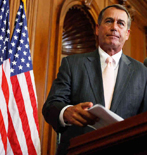
How John Boehner Blew His Best Chance to Defund ObamaCare
Speaker Boehner said he would return to “regular order”: if he had, the government-shutdown battle over ObamaCare would have had a much smaller impact.
ObamaCare's Bitter Irony: It May Increase Number Of Uninsured
As various ObamaCare assumptions have begun to unravel, we should start to worry that we could have as many if not more uninsured after the law takes effect. If so, the lawmakers who gave Americans this bitter, multi-trillion-dollar health reform pill may find their medicine hard to swallow.
Why Democrats Should Worry ObamaCare Rollout Will Hurt Them In 2014
If Democrats aren’t worried about President Obama’s “Problems? What problems?” response to the multiple glitches and snafus of his ObamaCare rollout, they should be.
Experts fear ObamaCare rate 'spiral'
New Yorkers will pay less than they used to for individual health insurance under ObamaCare — but they better not get used to it, because steep increases are on the way and the choice of doctors will be limited, critics warn. Merrill Matthews at the Institute for Policy Innovation predicted a “death spiral” in which the rates rise over the next several years, leading healthy people to drop their coverage while “very sick” people “stay in until the very last drop,” forcing rates up even more.
Health IT Integration for Medicaid Would Reduce Spending, Boost Access, Quality
States facing Medicaid challenges should integrate mobile phones and other existing technologies to increase access to care, lower costs and improve health care quality for Medicaid beneficiaries, says a new IPI publication, “Reforming Medicaid with Technology.”
When Health Insurance Sticker Shock Meets The 'Death Spiral'
Will individuals will face higher health insurance premiums next year? Many will, but the bigger problem will be in years two, three and four, because some (maybe most) of the health care plans could go into what actuaries derisively call a health insurance “death spiral.”

Reforming Medicaid with Technology
Every state is struggling to find ways to reform and improve Medicaid. Most of them are overlooking an important option: Integrating technology into Medicaid could increase access, lower costs and improve the quality of care.
Republicans Put Forward Obamacare Replacement
Republicans put forward a new alternative to Obamacare on Wednesday that seeks to expand coverage, increase the options for buying insurance, and equalize the tax treatment of insurance bought on the individual market. Merrill Matthews at the Institute for Policy Innovation said some parts of the bill are a good idea, while others will not have much of an impact.
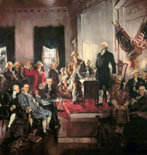
Thank President Obama for the Country's Newfound Interest in the Constitution
Our “constitutional scholar” in the White House has done more than anyone to reignite popular interest in the freedoms and limits outlined in the U.S. Constitution—though not exactly in the way President Obama might have hoped.
Does the President Want ObamaCare Death Panels for Higher Education?
President Obama has identified yet another sector of the economy in dire need of government help: higher education. And it seems he wants to use ObamaCare as the model for improving education quality and lowering cost. The one teensy-weensy problem is that ObamaCare will do neither.
Total Records: 710

