

“It is the maxim of every prudent master of a family, never to attempt to make at home what it will cost him more to make than to buy . . . . If a foreign country can supply us with a commodity cheaper than we ourselves can make it, better buy it of them with some part of the produce of our own industry, employed in a way in which we have some advantage.”
-Adam Smith, An Inquiry into the Nature and Causes of the Wealth of Nations, 1776
IPI believes the United States should aggressively pursue trade liberalization, which includes a willingness to lower our own trade barriers even when other countries do not respond reciprocally. Ideally, those efforts include multilateral agreements, such as the Trans-Pacific Partnership, but bilateral agreements can also promote freer trade.
American consumers bear the brunt of the protectionist impulse through higher prices on consumer goods, and American workers are best served when liberalized trade policies facilitate the export of American products throughout the world. At a time when protectionist sentiments are growing, it is important to assert that the U.S. and its workers have nothing to fear from trade, and everything to gain.
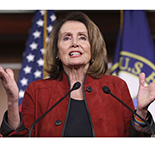
Whose Crumbs?
Nancy Pelosi isn’t the only one who is out-of-touch and doesn’t understand economics.
IPI Joins Coalition Letter to President Trump Urging Reconsideration of Aluminum and Steel Tariffs
On behalf of the undersigned groups representing millions of taxpayers and consumers across the country, we urge you to reconsider the tariffs on aluminum and steel announced on March 1, 2018.
Coalition Letter to the President Regarding Tariffs
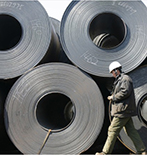
Tariffs Don't 'Drain the Swamp,' They Are the Swamp
Opening the door to tariffs means that every company and industry that can't or won't compete will head to Washington, checkbook in hand, hoping to use the power of government to protect them.
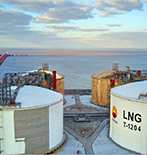
Gas Exports Become a Force for World Peace and a Cleaner Environment
Three reasons why we should cheer the fact that China is importing liquefied natural gas.

Trump May Have a Prescription for High Drug Prices
President Trump wants to address the high price of some prescription drugs, and new bilateral trade agreements would be a good place to start.
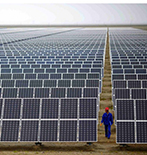
Trump Tries to Save U.S. Solar but May Kill It Instead
President Trump has imposed tariffs on imported solar panels and solar cells, but is that an effort to save the solar industry or undermine it?
U.S. Trade Agreements: Reasons For Restraint
As Merrill Matthews of the Institute for Policy Innovation noted in a Jan. 2 Wall Street Journal op-ed column, NAFTA participants Canada, Mexico and the United States are codependent on energy and benefit from the trade agreement’s tariff terms.
Swazi Farmers Brace for Life Without Their Sugar Daddy
With the EU set to lift caps on sugar production, African producers could be squeezed out of a market that has propped up places like Swaziland for years.
African Farmers Brace for Life Without Sweet Support From EU
More than 100 countries, from Cuba to India to Russia, produce sugar from sugarcane and sugar beet. Many of them are able to undercut the prices demanded by Swazi farmers, who receive no subsidies from their government, in markets such as West Africa and the Middle East.
Total Records: 177

