

For all of the quality care it delivers, the U.S. health care system is one of the most dysfunctional sectors of the U.S. economy. The government spends nearly 50 cents of every dollar spent on health care, most consumers are almost entirely insulated from the cost of their decisions, and employers decide what kind of health insurance their employees get.
But while the U.S. health care system begs for reform, the Patient Protection and Affordable Care Act only exacerbates all of the current problems, promising to devolve into a price-controlled system rationed and micromanaged by bureaucrats.
IPI believes there are much better options: reform the tax treatment of health insurance; remove the state and federal mandates and regulations that make coverage more expensive; pass medical liability reform; and promote policies that create value-conscious shoppers in the health care marketplace.

Coalition Letter Regarding the Proposed "Buy American" Mandate
If implemented, a Buy American mandate would disrupt existing supply chains, invite retaliatory actions from trading partners, and threaten timely access to medicines. In this current health crisis, such a mandate could even threaten our ability to adequately respond to the pandemic.
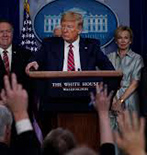
The Media's Obsession with Hydroxychloroquine and Donald Trump
The media's latest obsession is attacking President Trump for "playing doctor" when he highlights doctors' reports of a successful treatment for COVID-19.
Coalition Letter Advocating Transparency and Oversight of Coronavirus Stimulus Spending
Bipartisan groups lay out principles for transparency and oversight of coronavirus stimulus spending.

Pandemic-induced Protectionism Endangers Lives
The pandemic has demonstrated the need for more diversity in the pharmaceutical supply chain, not less.
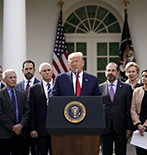
Can Federalism Survive the Coronavirus?
National emergencies can pose a threat to our federalist system of government. So far, President Trump has tried respect that federal-state balance of power.

Trump's Desire to Reopen the Country by Easter May Not Be Far-Fetched
There are reasons to hope this crisis may pass sooner and with less economic and human damage than we are being led to believe.

What If Democrats Stonewalled the Drug Companies' Response to COVID-19?
The Democrats' shameless stonewalling of a coronavirus relief package in order to pass their progressive wish list demonstrates why we cannot let Congress control the drug industry.

Looking Ahead at Health Plan Options
This year has been labeled a referendum on just about everything, but healthcare is one thing that will definitely drive people to the polls.

One Coronavirus Silver Lining: Fewer Colds and Flu Cases
It's really hard finding a silver lining to the coronavirus outbreak and the government's response, but maybe there will be hundreds of thousands of fewer cases of the cold and flu.

Hey, Bernie, Check Out Government's 10 Most Wanted 'Medi-crooks'
Bernie Sanders claims government-run health care is more efficient, but he never addresses the rampant fraud in the two biggest government health care programs: Medicare and Medicaid.
Total Records: 711

