

For all of the quality care it delivers, the U.S. health care system is one of the most dysfunctional sectors of the U.S. economy. The government spends nearly 50 cents of every dollar spent on health care, most consumers are almost entirely insulated from the cost of their decisions, and employers decide what kind of health insurance their employees get.
But while the U.S. health care system begs for reform, the Patient Protection and Affordable Care Act only exacerbates all of the current problems, promising to devolve into a price-controlled system rationed and micromanaged by bureaucrats.
IPI believes there are much better options: reform the tax treatment of health insurance; remove the state and federal mandates and regulations that make coverage more expensive; pass medical liability reform; and promote policies that create value-conscious shoppers in the health care marketplace.

Trump Should Dust Off Last Year's Drug Reform Plan
By reintroducing his rebate rule, President Trump could lower drug prices by excluding the middlemen who gobble up much of the current price-discount savings.

What Foreign Steel, NATO and Prescription Drugs Have in Common
If the president doesn't want to import price-controlled, foreign-made steel, then why does he want to import price-controlled prescription drugs?
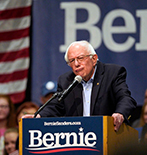
What Kind of Disrupter Would President Sanders Be?
Being a disrupter could be either positive or negative, depending on whether and how a voter thinks the country needs disrupting.

An Easily Forgotten Point: Price Is Not the Same as Spending
Efforts to control prescription-drug prices by setting prices through a government mandate are not likely to control overall prescription-drug spending.

'Greedy' Drugmakers Pour Money into Finding a Coronavirus Fix
Governments can't act as quickly as private sector drug companies when it comes to finding a vaccine for the coronavirus or any other epidemic.

A Guide to Understanding Prescription Drug Pricing
President Trump and many in Congress want to reduce prescription drug prices. This paper discusses how drug prices are determined and explains why political efforts to reduce them would be both harmful and counterproductive.
Exodus from Blue States Continues--and Grows

Regarding Healthcare, GOP Faces Biggest Hurdle
Voters will have a lot on their minds when they go to the polls next year. Resident scholar Merrill Matthews thinks 2020 will be a referendum on healthcare policy.

Congress Considers Bills to Address Doctor Residency Shortage
Lawmakers in Congress have introduced bills to add 1,000 new hospital residencies over the next five years to combat a national physician shortage intensified by the opioid crisis.

Letter to Republican Members of Congress Regarding Price Controls in the Healthcare Reform Plans
In a response to the direction the health care policy debate is moving” – particularly among conservative lawmakers – IPI has joined with more than 70 other conservative and free-market organizations to warn Congress about the dangers of price fixing.
Total Records: 711

